
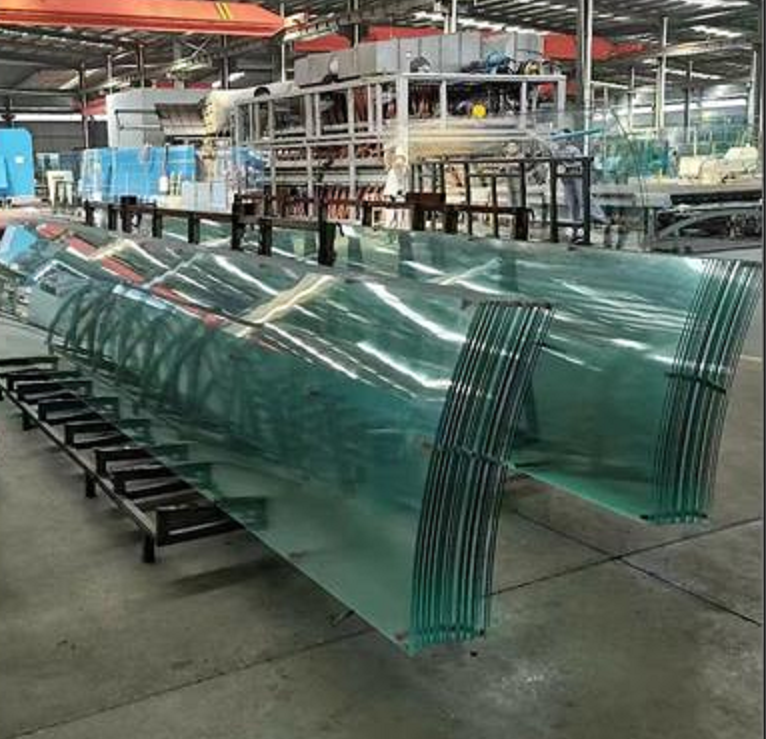
Stop the Crack: Handling Thermal Shock in Glass Production
Ever seen a piece of glass just… shatter the second it hits the tempering line? That’s thermal shock. It happens when you throw cold glass into high heat too fast. It’s frustrating, wasteful, and a nightmare for your yield. To fix this, we use shortwave IR lamps to preheat the nip rollers. Think of it as a warm-up. We’re just trying to get the glass surface comfortable before it hits the main heating zone.
Getting the Power Right
Glass is picky. Depending on how thick the walls are, the heat needs change. If you can’t adjust your power on the fly, you’re in trouble. We use SCR controllers because they’re incredibly fast. We’re talking milliseconds. This means you can tweak the power instantly so the glass doesn’t “cold-shock” when it touches the rollers. It’s a balancing act. Too slow? The glass breaks. Too fast? You’ll warp the surface. You have to hit that sweet spot.
Why Shortwave IR?
We stick with halogen-filled quartz tubes for a reason. Shortwave radiation doesn’t just sit on the surface like a heat lamp at a buffet. It actually sinks into the core of the glass wall. But here’s the catch: watch your wattage density. Sure, high-wattage lamps let you run the line faster, but they pull a lot of power. Plus, if you crowd them too close together, you’ll get hot spots. Once that happens, you’ll see optical distortions in the final product, and nobody wants a wavy glass.
Keeping Things Running
The good news is these lamps are simple drop-in replacements. We use standard connectors so you aren’t staring at a dead line for hours when a tube burns out. One big warning, though:quartz is temperamental. If you touch the tube with oily fingers during installation, you’re creating a localized hot spot. That’s a one-way ticket to a premature blowout. Keep the glass clean, keep the reflectors polished, and the heat will throw exactly where it needs to go.