
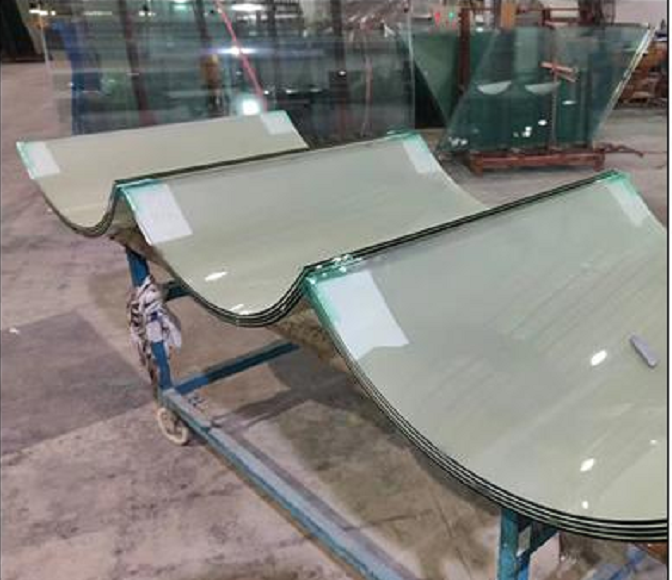
Stopping Those Annoying Glass Chips with IR Preheating
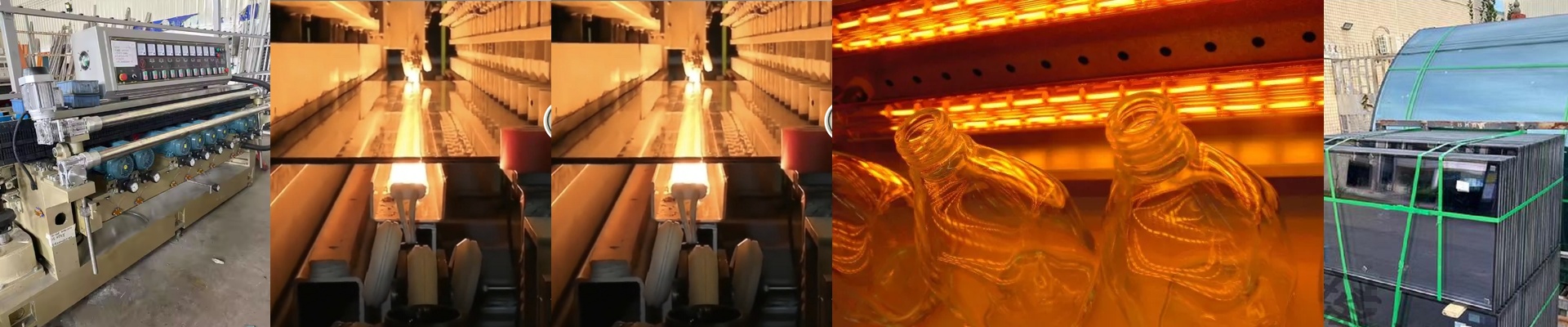
Cutting glass is basically just a controlled break. But if you’re hitting a cold sheet of glass with a cutting wheel, you’re probably dealing with “chipping” or those frustrating corner breakouts. It happens because cold glass is just too brittle. It doesn’t want to break cleanly; it wants to shatter. That’s where infrared (IR) preheating comes in. We basically warm up the glass before the blade even touches it, which completely changes how the material reacts. Why the heat helps Think of it as softening the mood of the glass. IR lamps send radiant energy deep into the surface, warming up exactly where the cut is about to happen. This lowers the surface tension and makes the molecular structure a bit more flexible. When the glass is warm, the crack stays on track. It follows your score line perfectly instead of jumping sideways and leaving you with a jagged edge. It’s a much smoother process. Setting up the gear We usually put short-wave IR lamps right in front of the cutting head. We go with short-wave because it’s fast. You don’t have time for a “slow soak” when the glass is flying down a conveyor; you need it to hit the right temperature in a fraction of a second. But you have to be careful. If you crank the heat too high, you’ll actually create thermal stress, and the glass might just crack on its own. To stop that from happening, your PLC has to keep the lamp intensity and the line speed in perfect sync. The real-world trade-offs Now, this definitely kills the chipping rate, but it does make your shop floor a lot hotter. You’ll want to make sure your vents are actually doing their job, or your team is going to be sweating. Also, those IR lamps are delicate. If your techs are rough with them during replacements, they’ll burn out way faster. A pro tip: use the right tools. Even the oils from your skin on the quartz tubes can cause them to fail. Keep them clean, handle them with care, and they’ll last.