Getting Your Voltage Right for Glass Tube Sealing
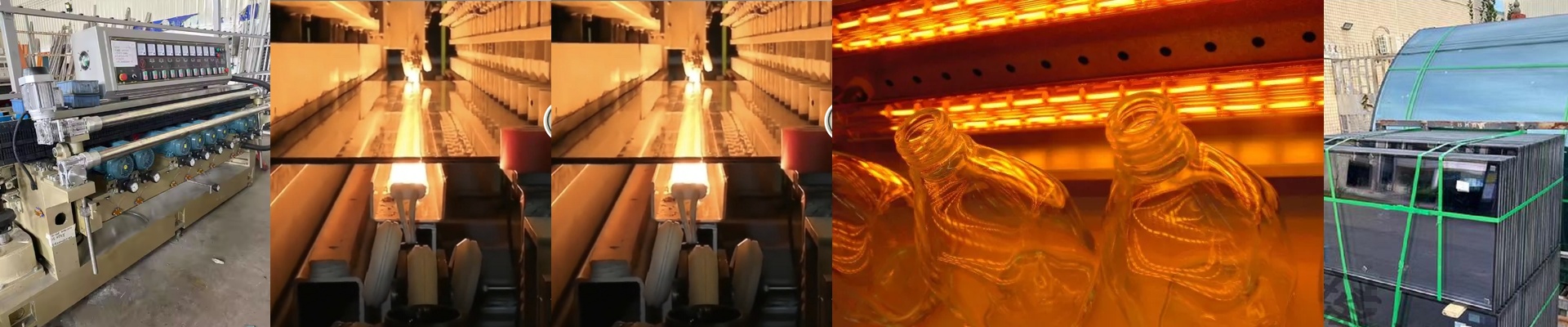
Sealing quartz or borosilicate glass is a delicate dance. You need enough heat to get that glass soft and pliable, but if you overshoot it or hit it unevenly, things crack. It’s that simple. The problem is, factory floors aren’t all built the same. Depending on where you are in the world, you’re probably dealing with 110V, 480V, or maybe 575V. Here’s the thing: most “off-the-shelf” lamps just can’t handle that. If you drop a standard lamp into a 480V circuit, it’ll either pop instantly or just sit there, lukewarm, never hitting the temperature you need to actually seal the tube. That’s why we don’t do “one size fits all.” We tweak the filament thickness and coil density to match exactly what’s coming out of your wall. Plus, going with a high-voltage setup actually makes your life easier. You can push more wattage through thinner wires, which means your cables aren’t taking up half the room. You get a concentrated blast of heat right where you need it, and your breakers stay happy. Now, the voltage is a huge part of it, but the materials matter too. We use high-purity quartz envelopes so the shortwave IR radiation actually gets into the glass tube instead of bouncing off. And since we design these as drop-in replacements, you don’t have to rebuild your entire rig just to upgrade the lamps. But a word of caution. When you push a lamp to 575V, it puts out a massive amount of heat. If your cooling fans are old or your heat sinks are undersized, you’re going to feel it. You don’t want to find out the hard way that your lamp holders are warping or your electronics are frying because the ambient heat got too high. We keep the installation part painless by using standard industrial connectors. Whether you’re running a tiny lab setup or a massive production line, the physics are the same: it’s all about the wattage per millimeter. We handle the electrical resistance on our end so that when you flip the switch, you hit your target temperature. Every single time.