Why We Built Our Pergola Heaters to be Modular
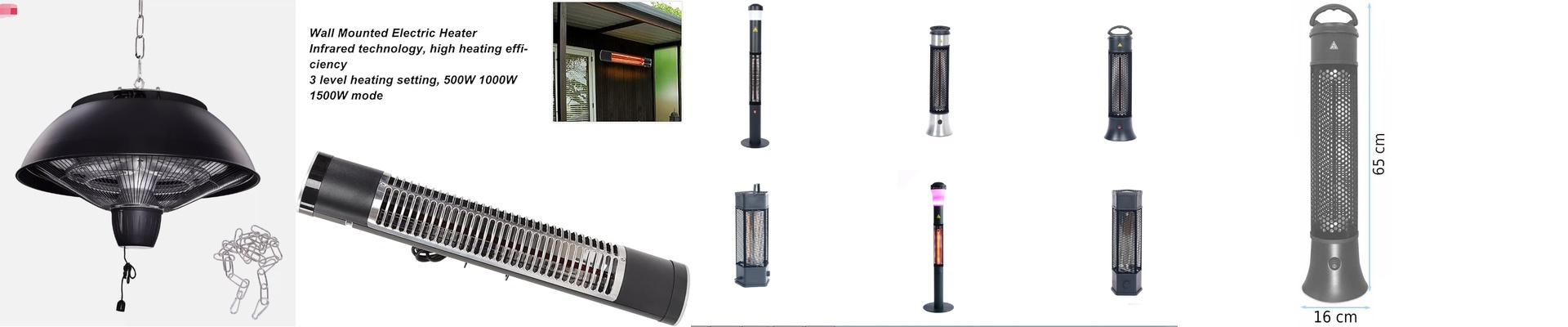
Outdoor heaters have a rough life. They sit out in the rain, freeze in the winter, and bake in the sun. For most facility managers, that leads to one big headache: the five-year crash. Here’s the problem with most heaters on the market. They’re usually welded shut or permanently sealed. When a heating element finally gives out after a few seasons, you’re stuck. You can’t just fix it—you have to rip out the entire fixture and start over. We decided to do things differently. We shifted to a modular setup. Think of the heating element as a plug-and-play part. If a tube dies in year five, you don’t have to rewire your entire pergola. You just swap the module and move on with your day. But there’s a catch. Usually, if you want something to be truly waterproof, you have to lock everything inside a permanent box. That’s great for the rain, but it’s a nightmare for repairs. Our fix? Gasket-sealed access panels. You get the best of both worlds. You can get to the heating tube without ruining the weather seal of the main chassis. You just pop the panel, unplug the element, and drop in a fresh one. Simple. Now, I’ll be honest about the trade-offs. Using connectors instead of hard-wiring means you have more contact points. In a wet environment, that usually means corrosion. To stop that from happening, we used gold-plated and nickel-coated terminals. It makes the swap-out incredibly fast. The only thing you have to remember is to make sure those seals are seated tight when you close it back up, or the rain will find a way in. The real win here is the time. Replacing a tube takes minutes, not hours. No soldering, no fancy tools, and no paying a technician to stand around for half a day. We built the housing to take a beating from the wind and rain, while the internal rack keeps those fragile quartz tubes safe from bumps and accidents. You just slide the old unit out, click the new one in, and you’re warm again.