

Why Your IR Lamps Are Probably Messing Up Your Glass
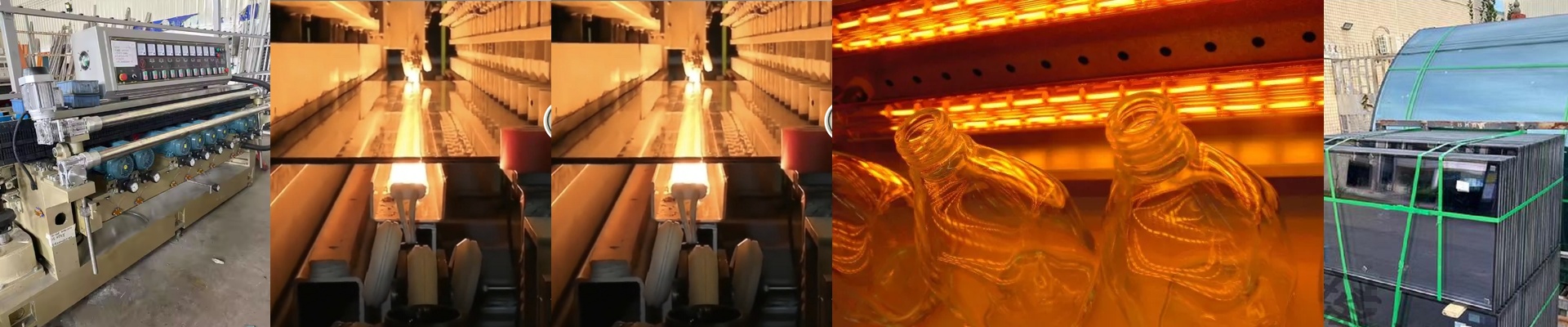
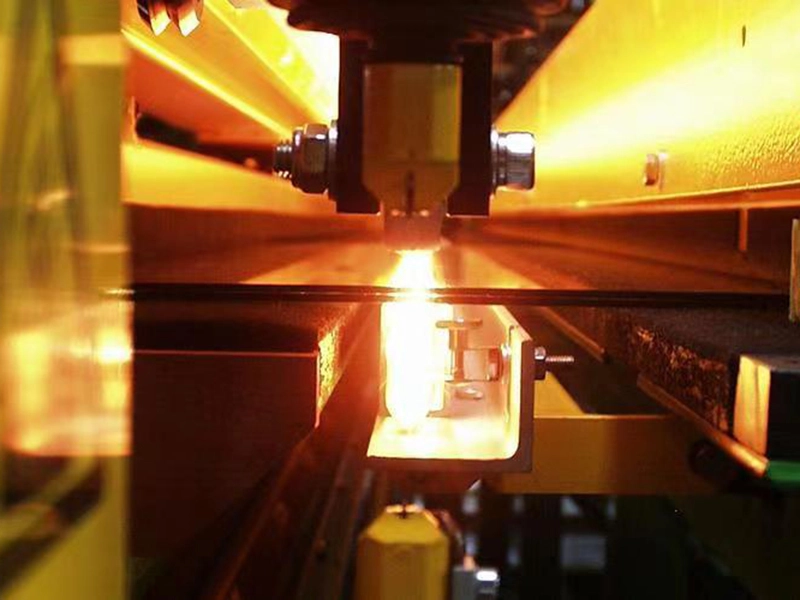
Ever wonder why one batch of glass comes out perfect and the next is a total disaster? Usually, it comes down to uneven heat. If your lamps are off by even 5% or 10%, you end up with “cold spots.” In the glass world, a cold spot is a nightmare. It leaves internal stress trapped in the material, which means your pieces might just crack or fail the moment they hit QC. It’s frustrating, and it’s expensive. The secret is in the gold. We use gold coatings to change how the heat moves. See, standard quartz lamps waste a ton of energy by heating up the chassis instead of the glass. A gold layer fixes that. It bounces the infrared radiation forward, pushing the heat exactly where it needs to go. You get a much more intense hit of energy on the target without having to crank up the voltage and pray the lamps don’t burn out. It’s all about the tolerance. Here’s the thing: total wattage doesn’t actually matter that much. What matters is consistency. If one lamp is running at 110% and the one right next to it is at 90%, your temperature profile is a mess. We spend a lot of time tightening those tolerances—lining up the filaments and perfecting the coating thickness—so every single lamp in the array acts the same. It saves you from that tedious process of manually “tuning” different zones just to make up for a lazy lamp. A few things to watch out for. Gold-coated lamps are powerful, but they’re a bit picky. If your shop floor is dusty or there’s oil mist in the air, that gunk sticks to the gold and creates hot spots. That’s a fast track to a blown tube. You’ve got to keep the optics clean. Period. And since the heat is so concentrated, you can’t just “set it and forget it.” Check your conveyor speed and dwell time. If you keep the same settings you used for uncoated lamps, you’ll likely overshoot your annealing point and end up with deformed glass. It’s a powerful tool, but you have to treat it with a bit of respect.